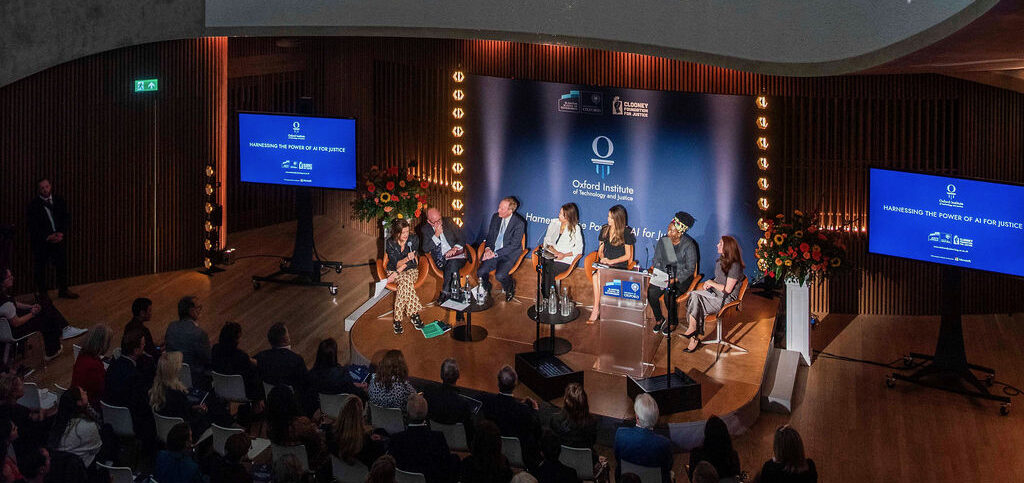
Experts have found that two thirds of the world's population cannot access the justice system in their country. And the inability to access a lawyer is a key driver for this justice gap. But what if AI could change that?
Harnessing the Power of AI for Justice
The Oxford Institute of Technology and Justice was created to explore how AI can bridge this justice gap. In collaboration with the University of Oxford’s Blavatnik School of Government and Microsoft’s AI for Good Lab, we’re developing innovative AI-powered tools that make legal support accessible to communities that need it most.
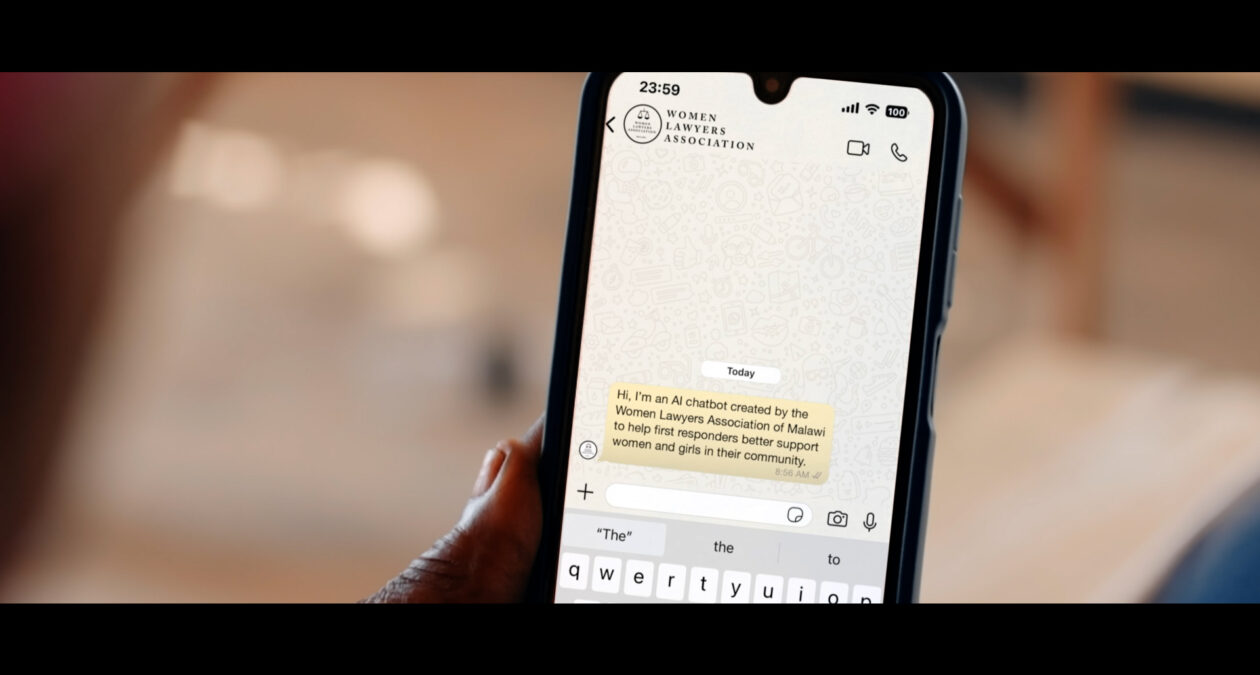

As the implementing partner for the Oxford Institute of Technology and Justice, CFJ seeks to harness AI to expand access to justice for women and journalists around the globe.
Through partnerships with leading technologists and key local partners, we leverage technology that makes it easier for vulnerable communities to access free legal support — equipping more survivors of injustice with the power, tools and support to claim their rights and seek redress.
The Institute is working with local partners to identify and develop tools that will scale CFJ’s work to support women, girls and journalists around the world, beginning with three pilot projects launched in 2025.
Justice for Journalists
CFJ’s work has helped secure freedom or reduced charges for dozens of unjustly detained journalists around the world who have been targeted for their speech. But current processes for connecting journalists with legal information and support are siloed and ad-hoc. The Institute is scaling access to justice for journalists by developing new tools to improve access to legal information and connect at-risk journalists to qualified lawyers.

Connecting At-Risk Journalists to Qualified Lawyers
Pilot Project #1: Pro Bono Assistant for Journalists
CFJ has partnered with the Committee to Protect Journalists (CPJ), one of the world’s leading press advocacy and support organizations, to scale their existing efforts to provide journalists with timely legal support. Building off CPJ’s existing journalist safety chatbot, this new AI-powered legal information and referral tool will inform at-risk journalists of their rights and match them with qualified pro bono lawyers who can provide legal advice and representation—providing a single, centralized resource for journalists facing threats for their speech or reporting.
Justice for Women
In existing programs throughout Africa, CFJ has empowered thousands of women and girls to access their rights through supporting survivors of child marriage, combating sexual and gender-based violence and challenging outdated laws that prevent girls from going to school. The Institute is developing innovative tools to scale these efforts and support local partners to achieve even greater impact.
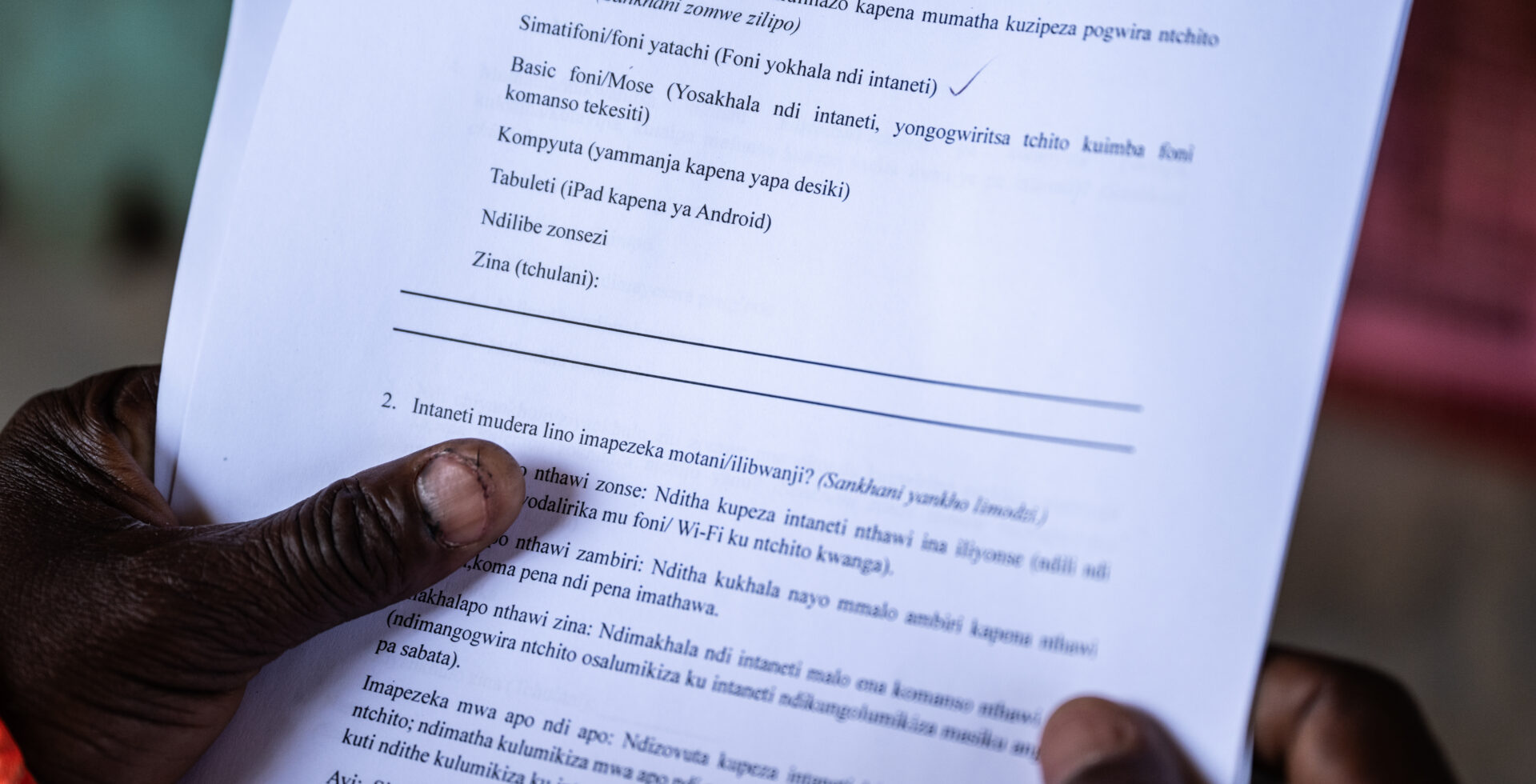
Equipping First Responders with New Resources to Support Survivors
Pilot Project #1: Women's Legal Assistant
Frontline responders — such as teachers, medics and social workers — are often the first to learn about gender-based rights violations in Malawi, but they are frequently under-resourced when it comes to helping survivors claim their legal rights. To tackle this challenge, CFJ has partnered with the Women Lawyers Association of Malawi to develop an AI-powered legal information and referral tool that allows frontline responders to use a WhatsApp chatbot to obtain legal information when assisting survivors of gender-based violence, child marriage, and other gender-based harms. They can also connect women and girls to qualified pro bono lawyers who can advise and represent them. This tool equips frontline responders with clarity and reduces delays in urgent cases.
What makes this partnership even more powerful is how these tools are being developed. We have engaged survivors, first responders. Female judges and legal experts to ensure that the tools are accurate, sensitive and accessible. We are building tools that respect local context, standardized based practice and travel to the woman who needs it.
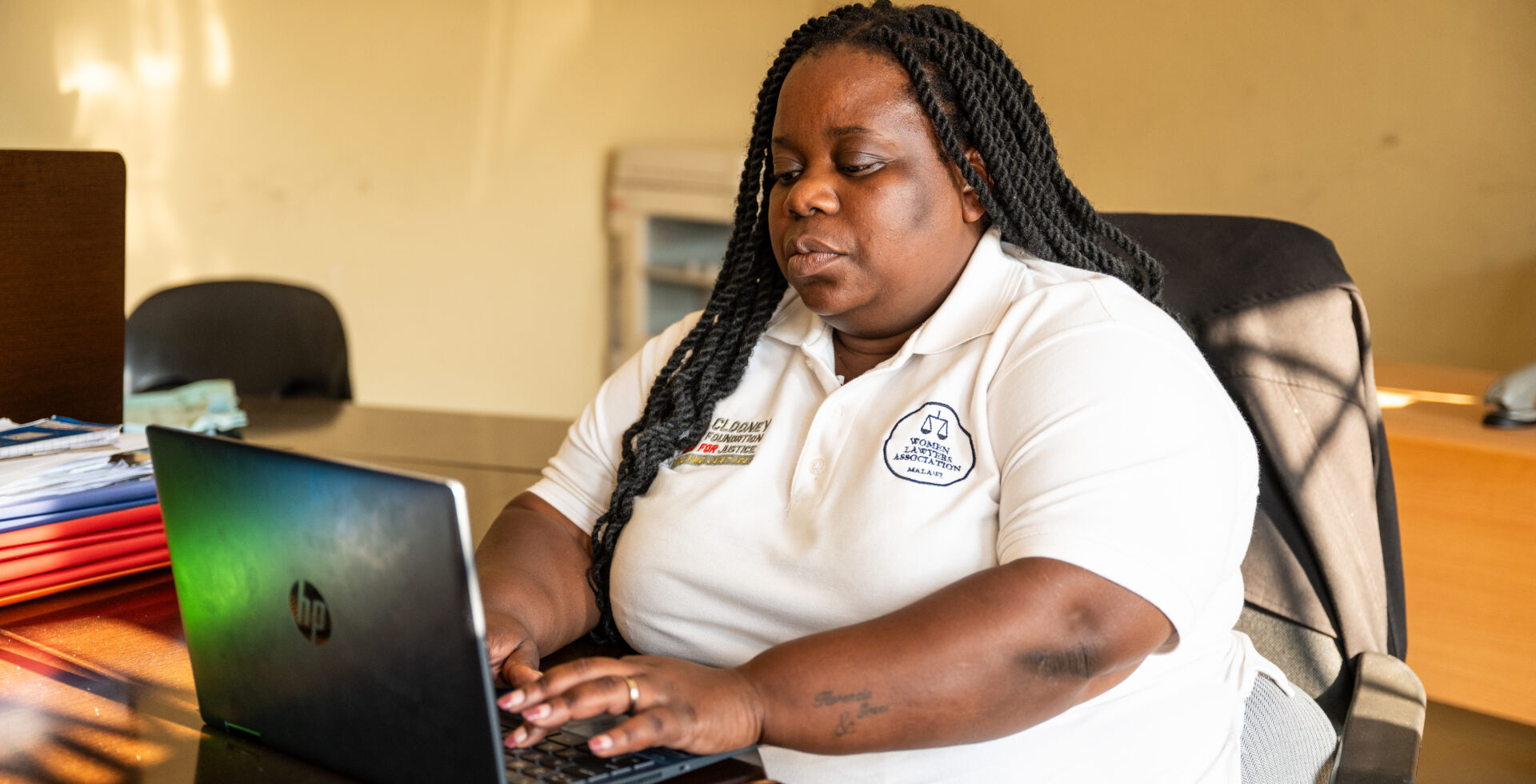
Accelerating the Protection Order Process for At-Risk Survivors
Pilot Project #2: Pro Bono Assistant for Women
Protection orders can be a critical legal remedy to protect survivors of gender-based violence and child marriage from their abusers. But in countries like Malawi, where lawyers are in short supply, properly applying for and securing these orders takes a significant amount of time.
In partnership with the Women Lawyers Association of Malawi, the Institute is developing an essential legal automation tool designed to streamline the protection order application process. Based on input from survivors, the tool will automatically generate draft affidavits in a legally compliant format, substantially reducing the time it takes to complete an application for lawyers, legal volunteers and clinic workers.